The right flour blend
A successful gluten-free pizza dough starts with a good flour blend: rice, potato starch and corn starch in balanced proportions give elasticity and an airy structure, avoiding a gummy or overly crumbly result.
The dough and proofing
Knead flour, lukewarm water, yeast, oil and a pinch of salt into a smooth, sticky mixture, typical of gluten-free flours. A long proof, even 12-24 hours in the fridge, improves flavor, structure and digestibility.
Resting at room temperature
Before rolling out the dough, let it come back to room temperature for at least an hour: it will be easier to work with and bake more evenly.
Shaping without breaking the dough
Shape it directly on a lightly oiled tray or baking paper, using wet hands: gluten-free dough tears easily if rolled out with a pin.
The perfect bake
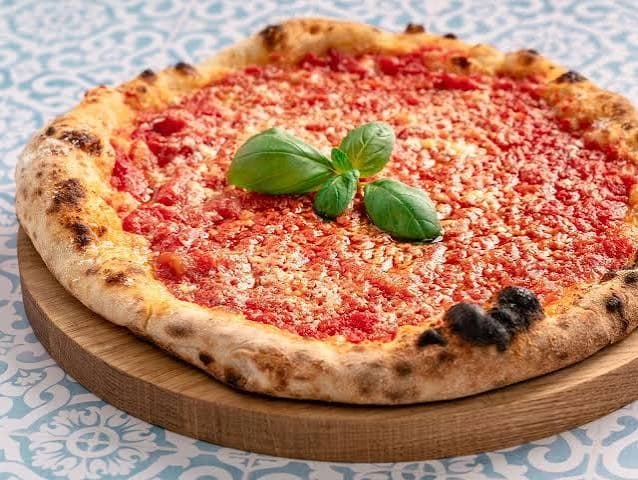
Baking on a preheated pizza stone, or on an already hot tray in a static oven at maximum temperature, helps you get a crispy crust and an even bake in just a few minutes.
Tips for light toppings
Avoid overloading the pizza with too many wet ingredients, which can make the base soggy: simple, balanced toppings work best, adding any vegetables already cooked.